
Single Point - 10 KG to 1000 KG
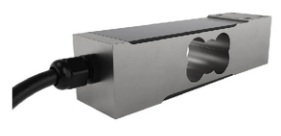
A single-point load cell is an off-center compensated sensor designed to accurately measure weight on a platform by converting applied force into an electrical signal, allowing for consistent readings even when the load is not precisely centered. Ideal for small- to medium-sized platform scales, retail scales, and packaging machines, its design simplifies installation, as only one load cell is needed instead of multiple, thereby reducing costs and eliminating the need for precise load placement.
Key Characteristics
-
Off-Center Compensation:
The primary feature is its ability to compensate for loads placed anywhere on the platform, providing accurate weight readings despite uneven distribution.
-
Compact Design:
Single-point load cells are compact, low-profile, and suitable for individual use in scales, rather than being used in groups.
-
Strain Gauge Technology:
They utilize strain gauges to measure the deformation of the load cell's internal structure under load, which is converted into an electrical signal.
-
Versatility:
They are a versatile and widely used type of load cell, accounting for a large percentage of all load cells in use globally.
How It Works
- When a weight is applied to the platform connected to the single-point load cell, the load deforms the internal sensing element.
- Strain gauges installed on this element detect this elastic deformation.
- This deformation changes the electrical resistance, which is then converted into a change in output voltage.
- This electrical signal provides an accurate measurement of the applied weight.
Common Applications
- Weighing Scales: Used in retail, bench, and small platform scales.
- Packaging Machines: Ideal for multi-head and conveyor packaging systems.
- Medical and Laboratory Equipment: Utilized for precise weighing in these environments.
- Other Uses: Found in check weighers, feeders, and general-purpose weighing applications.