
Single Ended Shear Beam -10 KG to 1000 KG
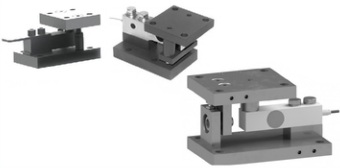
A single-ended shear beam is a strain gauge-based load cell, typically made of alloy steel, with one end fixed and the other end receiving the load to measure weight or force. These devices are known for their accuracy, cost-effectiveness, and resistance to side forces, making them ideal for industrial applications like floor scales, hopper scales, and tank weighing systems. They are also often sealed to an IP67 rating, protecting against dust and moisture, and can handle both tension and compression forces.
Key Characteristics
-
Single-Ended Mounting:
Only one end of the load cell is used for fixing, while the other end is designed for load application, often allowing for off-center measurements.
-
Shear Strain Measurement:
The cell measures the shear strain within the beam as a force is applied, converting it into an electrical signal to determine the weight.
-
Material & Construction:
Typically made from high-strength alloy steel, they are robust and suitable for heavy-duty industrial environments.
-
Environmental Protection:
Often hermetically sealed to an IP67 or higher rating, providing excellent protection against dust, water splashes, and even submersion in harsh conditions.
-
Capacity:
Available in a range of capacities, suitable for medium to high-capacity applications, typically from a few hundred kilograms to several tons.
Common Applications
- Industrial Weighing: Used in floor scales, platform scales, and low-profile weighing systems.
- Process Weighing: Suitable for weighing tanks, hoppers, and silos in industrial automation and batching processes.
- Machine Automation: Integrated into automated systems for force and tension measurement, or for controlling feeding systems.
Advantages
-
Accuracy:
Provide precise and repeatable measurements, crucial for quality control in industrial processes.
-
Cost-Effective:
Offer a good balance of performance and affordability for a wide range of weighing needs.
-
Flexibility:
Can handle tension and compression loads, and some designs are resistant to side forces, allowing for more flexible installation.
-
Durability:
Rugged construction and environmental sealing ensure long-term reliability in challenging conditions.