
Clean - in Process Automation
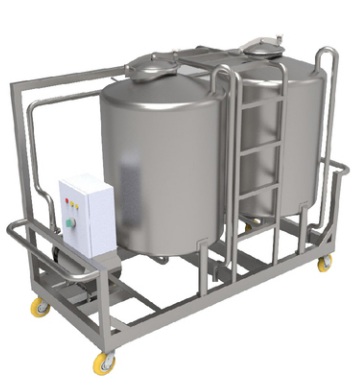
In Process Automation, "Clean" refers to a Clean-In-Place (CIP) (CIP) system, an automated process for cleaning the internal surfaces of process equipment, pipes, and tanks without needing to disassemble them. CIP systems are vital in hygiene-critical industries like food, beverage, and pharmaceuticals to remove residues, ensuring product safety, consistent quality, and regulatory compliance through automated cycles of rinsing, washing with chemicals (like caustics and acids), and sanitizing.
How CIP Works
A typical CIP cycle involves several automated steps, often controlled by a Programmable Logic Controller (PLC):
- Pre-Rinse: Circulating water to remove loose residues.
- Chemical Wash: Circulating a detergent solution (e.g., a caustic solution like sodium hydroxide) to break down organic matter.
- Intermediate Rinse: Rinsing out the chemical wash.
- Acid Wash (Optional): Introducing an acid solution to remove mineral deposits and scale.
- Final Rinse: Using fresh water to remove any remaining traces of the cleaning solution.
- Sanitization: An optional step to destroy bacteria and other microorganisms.
Key Advantages of CIP
-
Automation & Consistency:
The automated nature eliminates human error and ensures repeatable, consistent cleaning cycles.
-
Reduced Downtime:
No need for disassembly means less time for cleaning and more time for production.
-
Enhanced Safety:
Minimizes operator exposure to hazardous cleaning agents and avoids unsafe entry into confined spaces.
-
Improved Hygiene:
Achieves a high standard of cleanliness on product contact surfaces, preventing contamination.
-
Data & Compliance:
PLCs enable detailed data collection for traceability, ensuring compliance with regulations like the Food Safety Modernization Act (FSMA).
Industries Using CIP
CIP is crucial in industries that require high standards of cleanliness and hygiene, including:
Food processing, Beverage production, Dairy processing, Pharmaceutical manufacturing, Biotechnology, Brewing, and Cosmetics.